Papua New Guinea is at a pivotal moment in its ongoing journey towards upholding and safeguarding human rights.
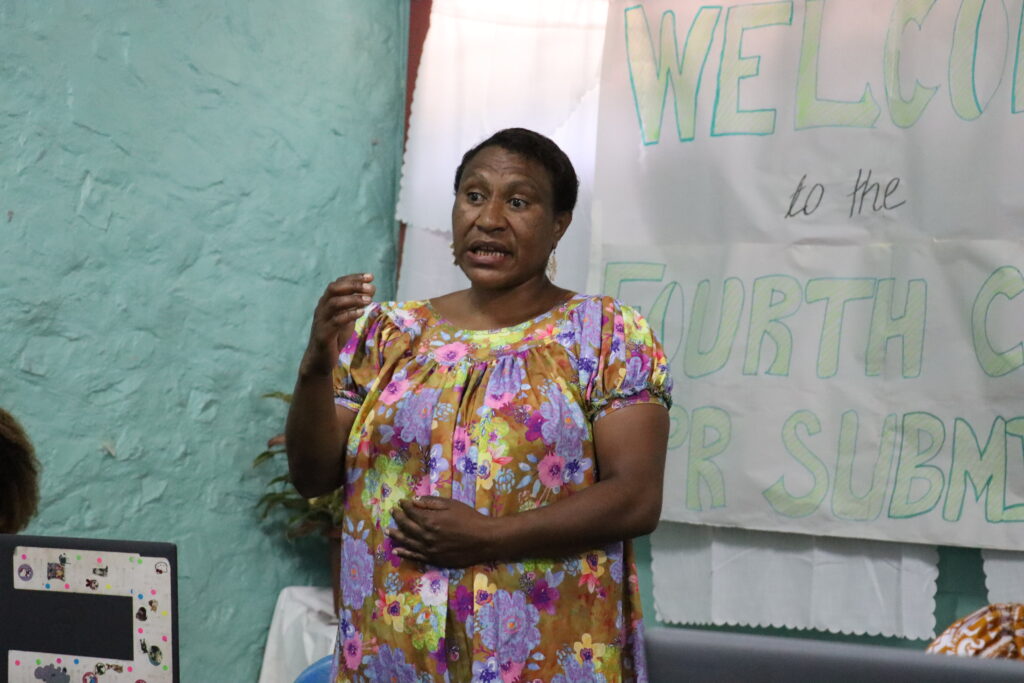
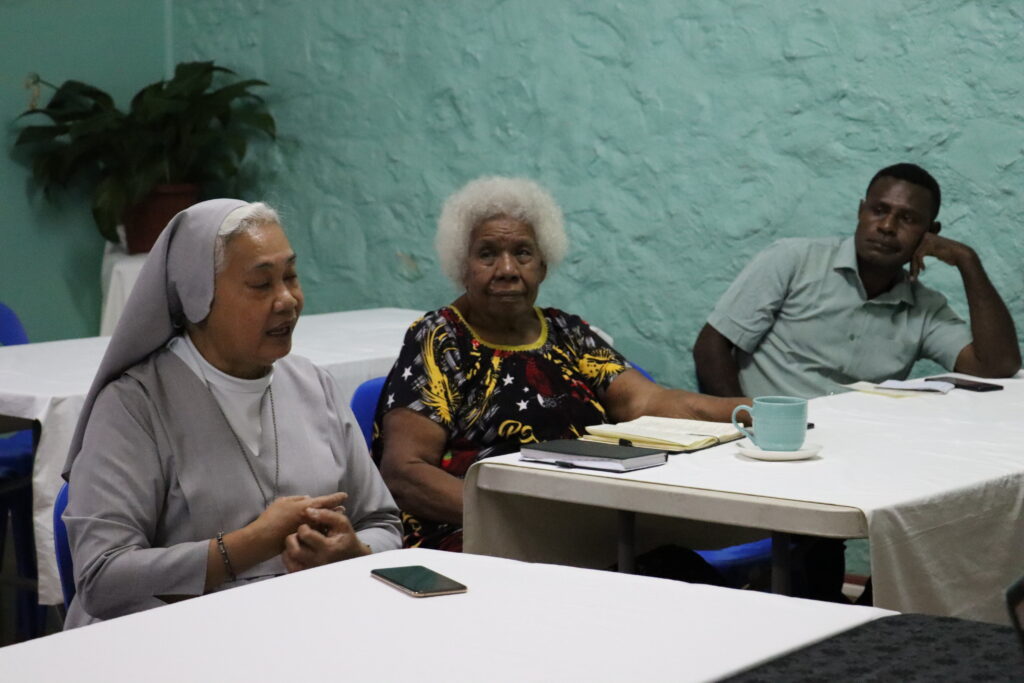
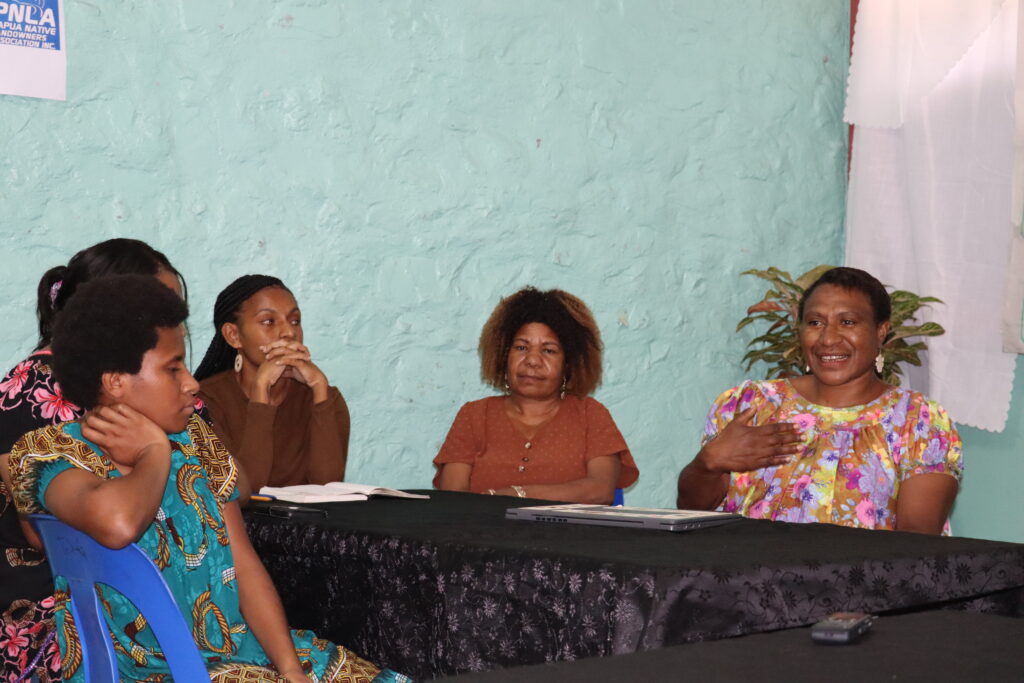
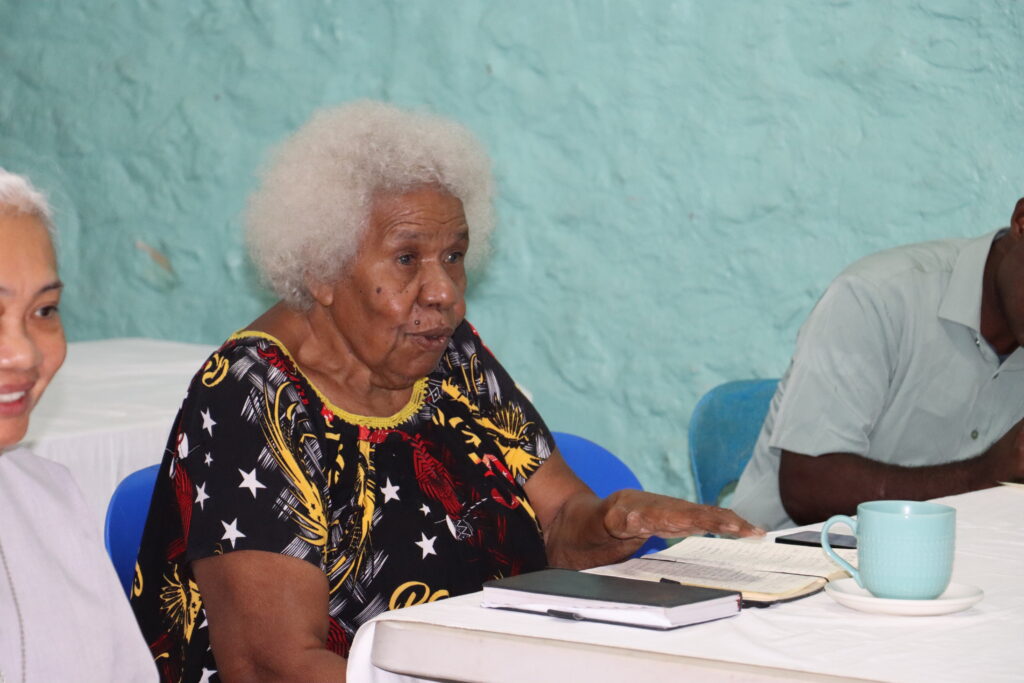
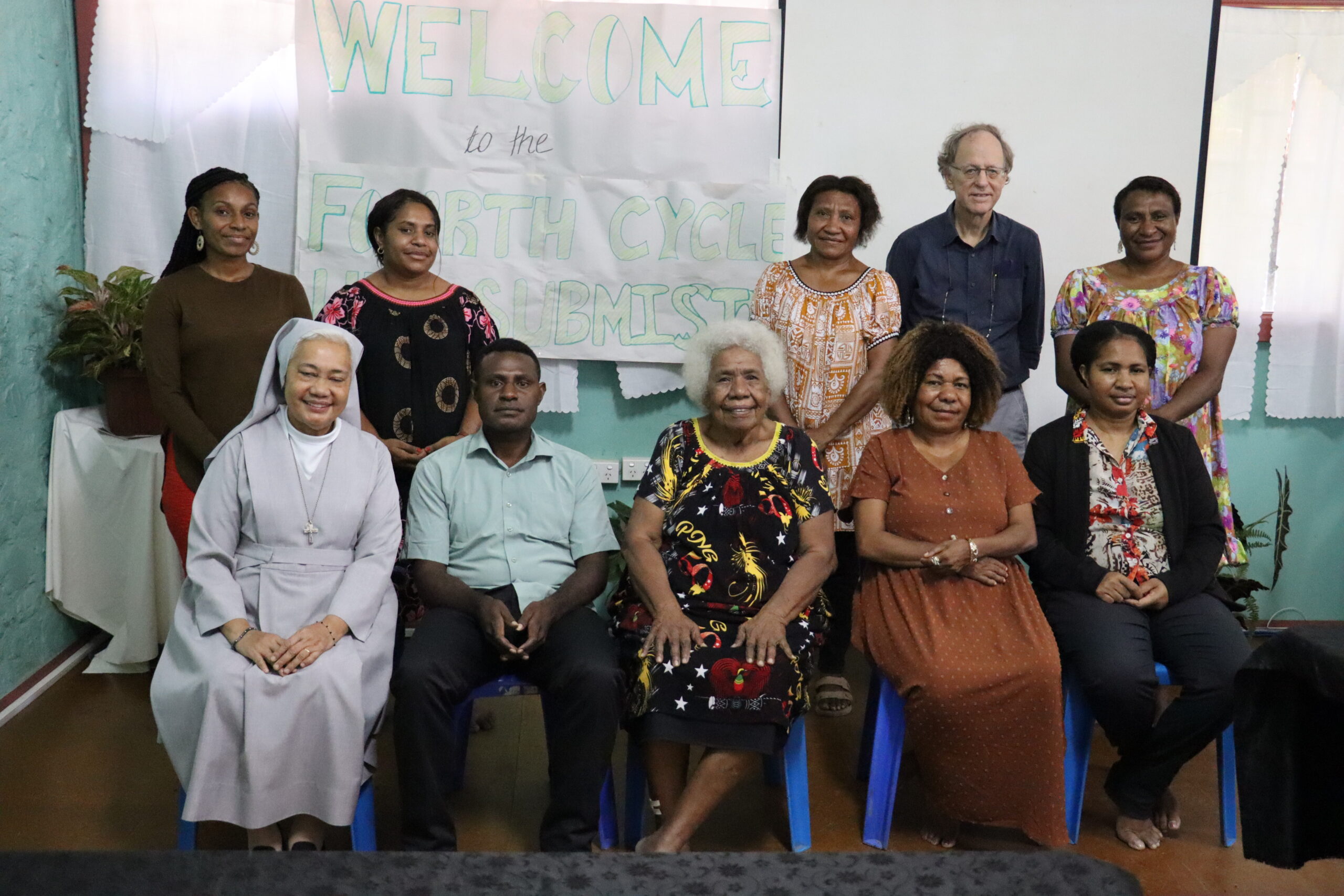
Recently, the country marked a significant milestone with the Universal Periodic Review (UPR) Shadow Report Validation Workshop, a crucial event aimed at addressing human rights issues through collective societal action.
Spearheaded by organizations such as the Advancing PNG Women Leaders Network Inc. (APNGWLN) and Magna Carta (PNG), this initiative highlights a concerted effort towards ensuring that the diverse voices of Papua New Guinea’s citizens are heard on the global stage.
The workshop is an integral component of the United Nations’ Universal Periodic Review process, which mandates member states to undergo a review of their human rights records every 4.5 to 5 years. As PNG moves through 2026, civil society is preparing for the country’s 4th Cycle Review, scheduled for early 2027 in Geneva.
This platform provides a vital opportunity for civil society organizations (CSOs) to present an independent report, technically known as a Stakeholder Submission but widely recognized as the “Shadow Report.” Shirley Kaupa, of Magna Carta PNG, who is leading the UPR process, explained the rigorous methodology behind the report during a recent radio interview:
“During the consultation we had different consultations also we sent online questionnaires and also in person and other focus group discussions around the thematics or the themes that we submitted… When we are collecting the information, the data from different people at different walks of life at different platforms and venues, we need to validate them. It’s a process that we have to follow.”
The recent validation workshop gathered a wide range of participants, from disability advocates and women’s rights groups to corporate partners and youth representatives. During the workshop, focus was placed on six critical thematic areas, including women, peace and security, rights of persons with disability, children’s rights, gender-based violence, sorcery-accusation related violence (SARV), and indigenous land rights.
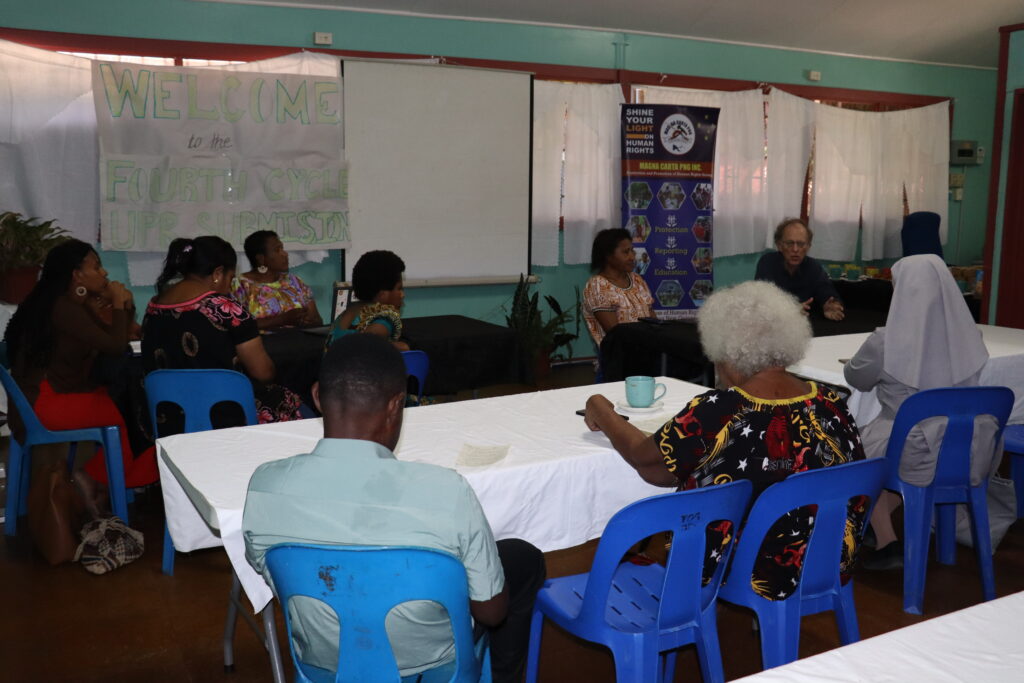
Highlighting the importance of accuracy and unity, Shirley Kaupa noted:
“We validate that, we verify and validate this information are correct and they are true and they are represented. It’s not mine… it’s not the Advancing PNG Women Leaders or Magna Carta. It’s the Papua New Guinea issues. And everyone must come together to have a collective voice.”
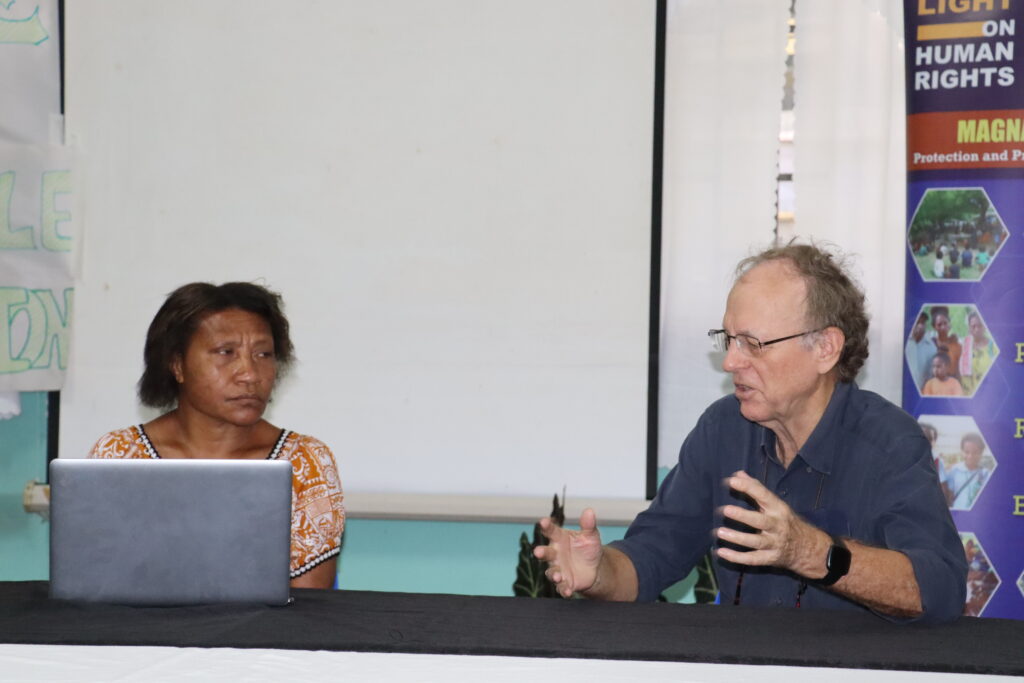
Integral to the submission was the presence of Paul Barker, Executive Director of the Institute of National Affairs (INA). His participation represented the Consultative Implementation and Monitoring Council (CIMC)—a unique body hosted by the INA that serves as a bridge between the State and civil society. By involving the CIMC, the report gains a layer of institutional legitimacy, reinforcing the collaborative effort between independent advocates and the bodies responsible for national monitoring.
Fundamental to the success of this initiative is the support and coordination facilitated by the Advancing PNG Women Leaders Network Inc. As a leading advocate for gender equity and human rights, the network played a pivotal role in funding and organizing the workshop. Their involvement highlights the essential role of women-led organizations in driving change and fostering inclusive dialogue.
The journey to the UN is about more than just data; it is about representation. As Ms. Kaupa emphasized:
“It has to be a unified voice… representative of the people of Papua New Guinea, from the remote to the rural, to the wards and district and to the urban cities. And it’s going to the highest level of discussion… with the Human Rights Council in Geneva. So you must validate to make sure that the information you send is relevant, it’s correct, it’s factual.”
The UPR process is not merely a bureaucratic exercise but an opportunity for national reflection and growth. It serves as both a platform for international accountability and a mechanism for holding the government responsible for its commitments. As PNG’s civil society prepares to finalize its submission for the 2027 review, the message remains clear: real change begins with hearing and amplifying the authentic voices from the ground.
By ensuring these voices are central to the UPR process, Papua New Guinea takes a significant step toward transforming its human rights landscape, creating a society where all citizens can thrive with dignity and equality